pressure drop
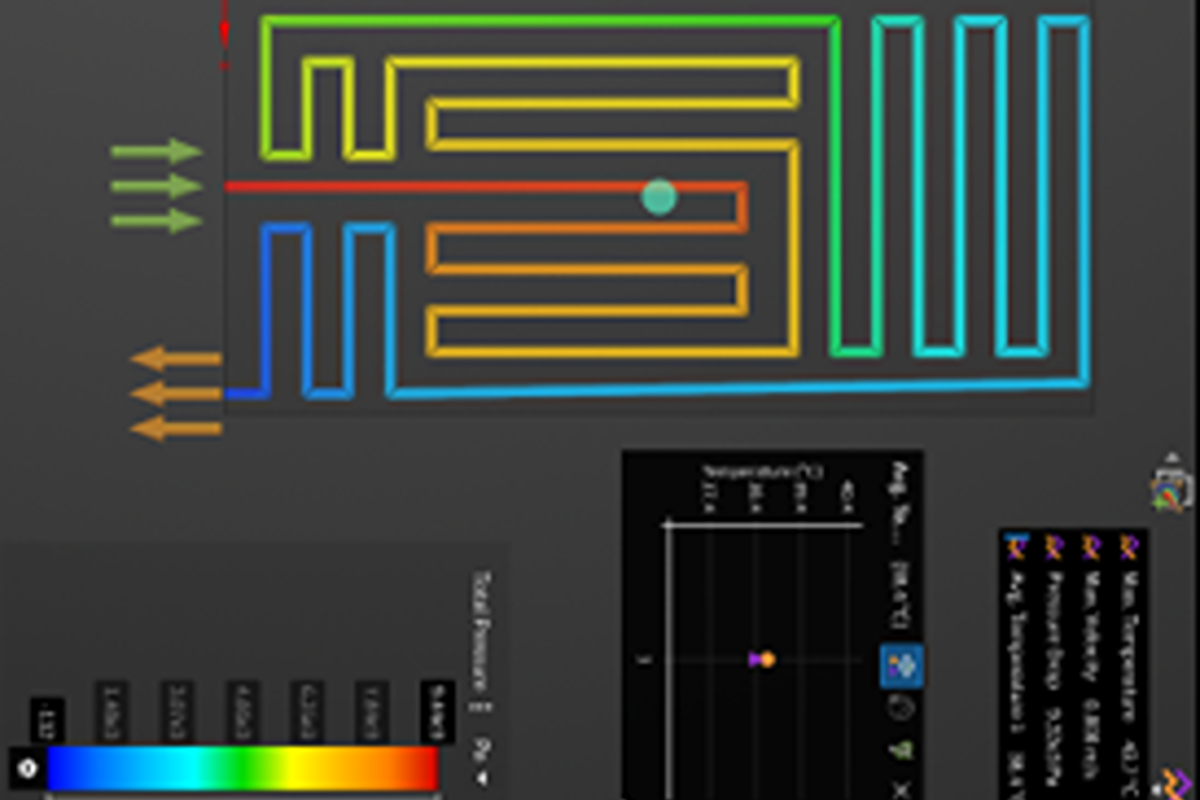
From the assessed CFD channel configuration.
A serpentine cooling plate using Tesla-valve and S-bend ideas to balance pressure and battery temperature.
 Inspect full-size image ↗
Open a chapter to follow the work and the choices made along the way.
Serpentine channels and passive flow features distribute coolant across the plate.
Inspect the supporting evidence ↓Thermal performance is reported alongside pressure drop.
Inspect the supporting evidence ↓CFD course study at the report’s prescribed inlet and heat-source conditions. The reported pressure drop is rounded between 5.13 and 5.14 kPa across pages. Analytical heat-transfer cross-checks contain inconsistent units, so no percentage validation claim is repeated.
From the assessed CFD channel configuration.
With a 44.4°C peak under the same CFD conditions.
Channel comparisons, simulation setup, mesh checks and final CFD outputs.
Related by practice, not just by category.
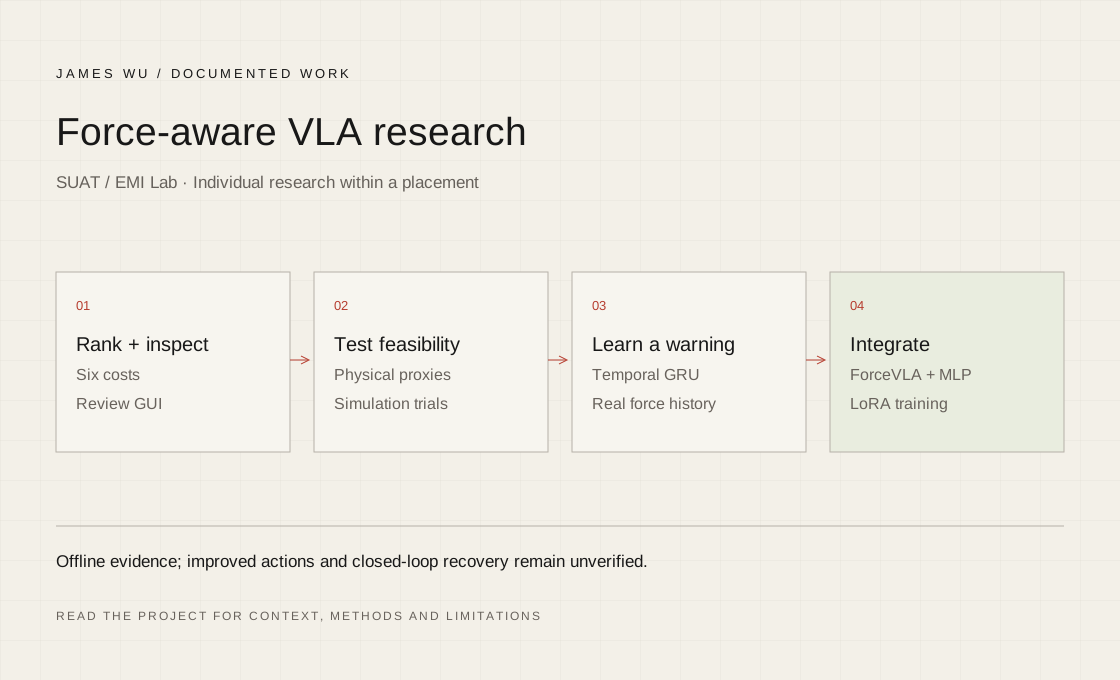
A standalone temporal model outperformed a current-force heuristic offline. The integrated ForceVLA risk head also learned the proxy risk signal; reliable action improvement and closed-loop performance remain unverified.
Independent projectIndependent research: trajectory ranking, simulation and risk-head training
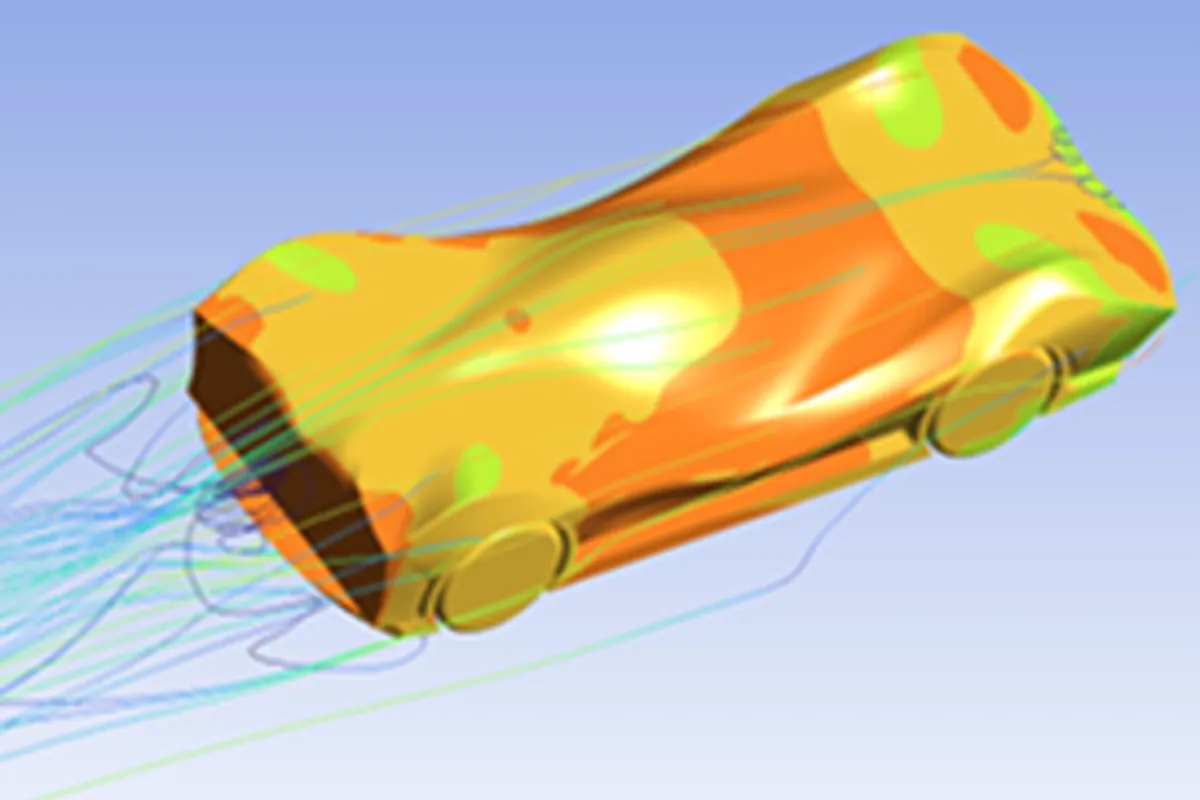
Refined the body, canopy, underbody and rear through CFD; the detailed report’s final Cd is 0.169, approximately 35% below the 0.26 initial concept.
Independent projectCAD, simulation and validation
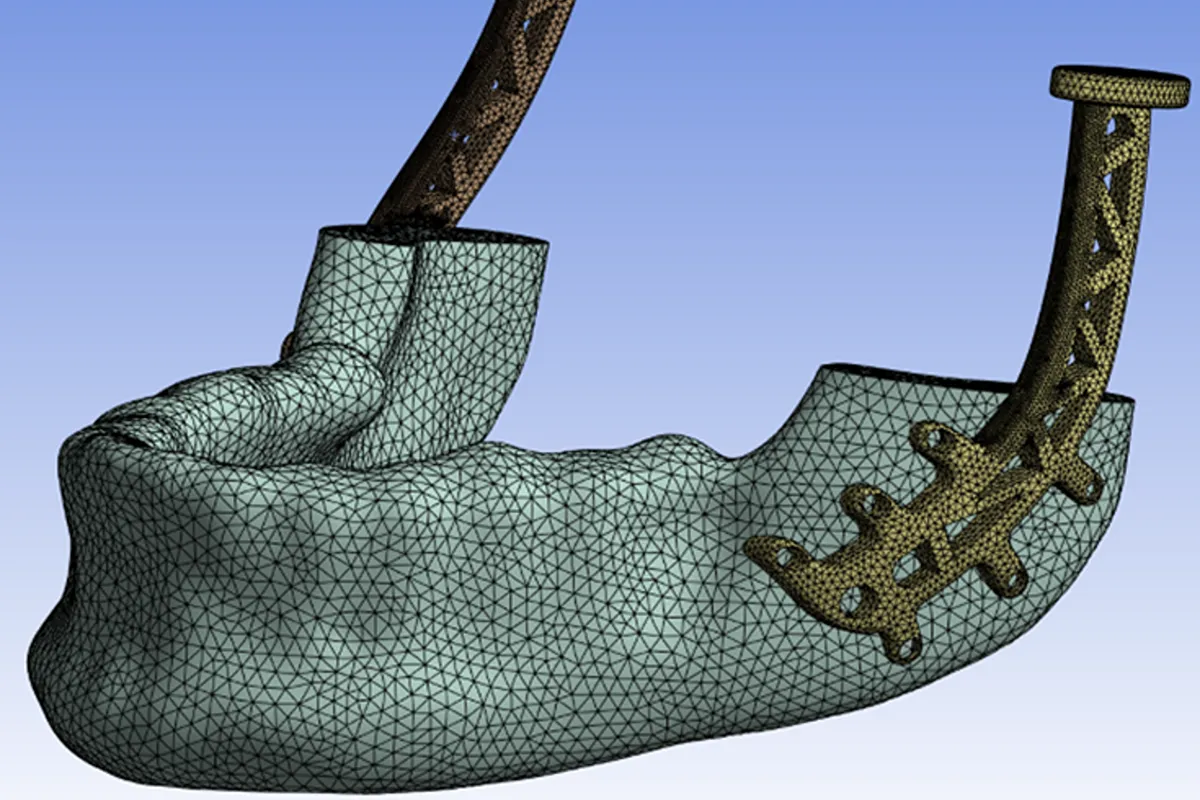
In simulation, the Ti-6Al-4V design reduced mass by 44.6% while meeting the assessed fatigue and modal targets.
Independent projectSimulation and optimisation